No fluff takes on
building AI products.

How to build the intelligence layer in a business that's already running
You don't need a greenfield rebuild to install an intelligence layer. You need a starting point, a sequencing logic, and the discipline not to try to automate everything at once. This post maps the practical path.
The business that learns: how AI memory turns your operations into a moat
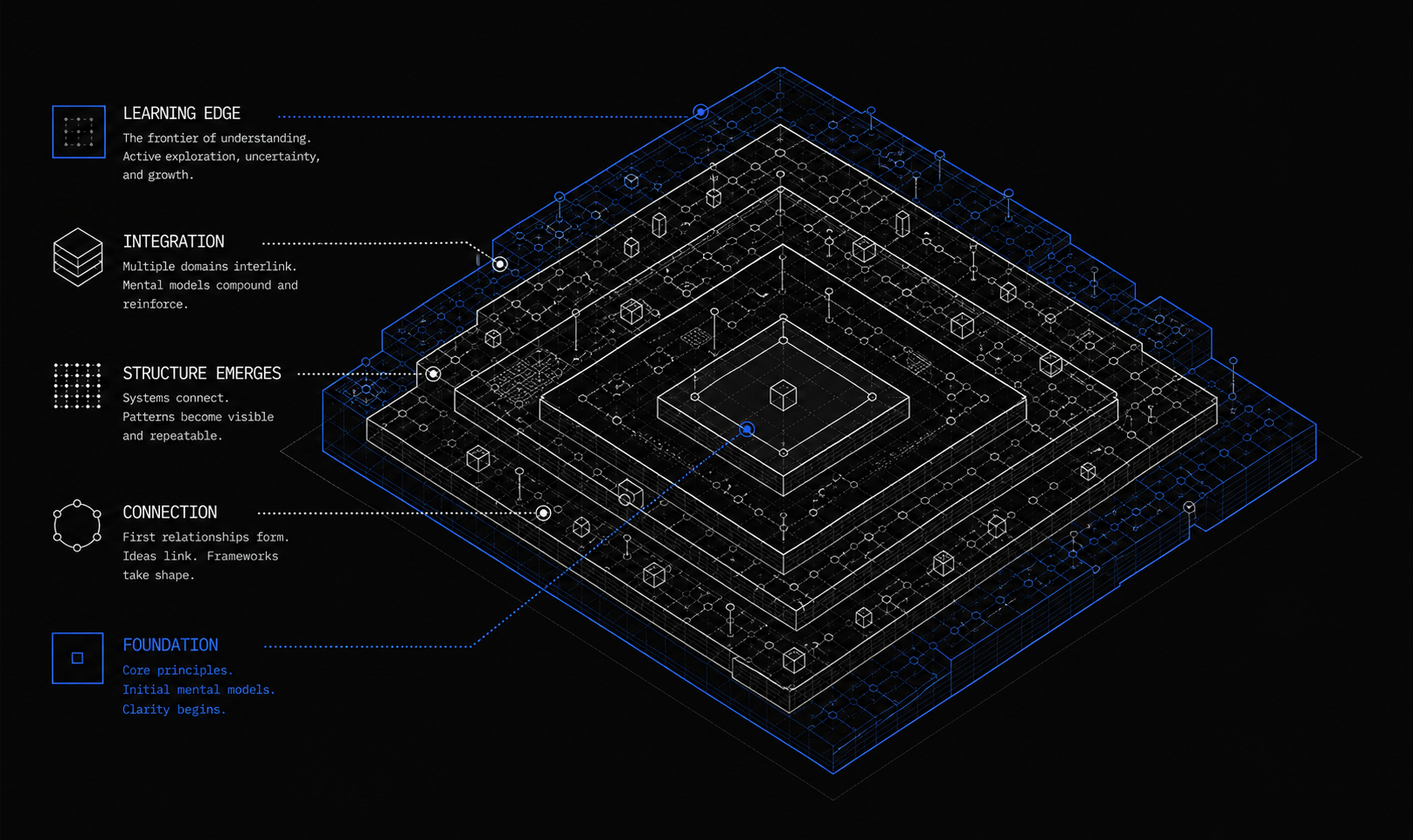
Most AI systems are stateless, every interaction starts fresh. The intelligence layer is different. It accumulates memory: what worked, what didn't, what each client needs, how each project type behaves. Over time, this memory becomes a compounding advantage.
Decision intelligence: the decisions your business makes 50 times a day that should never need a human
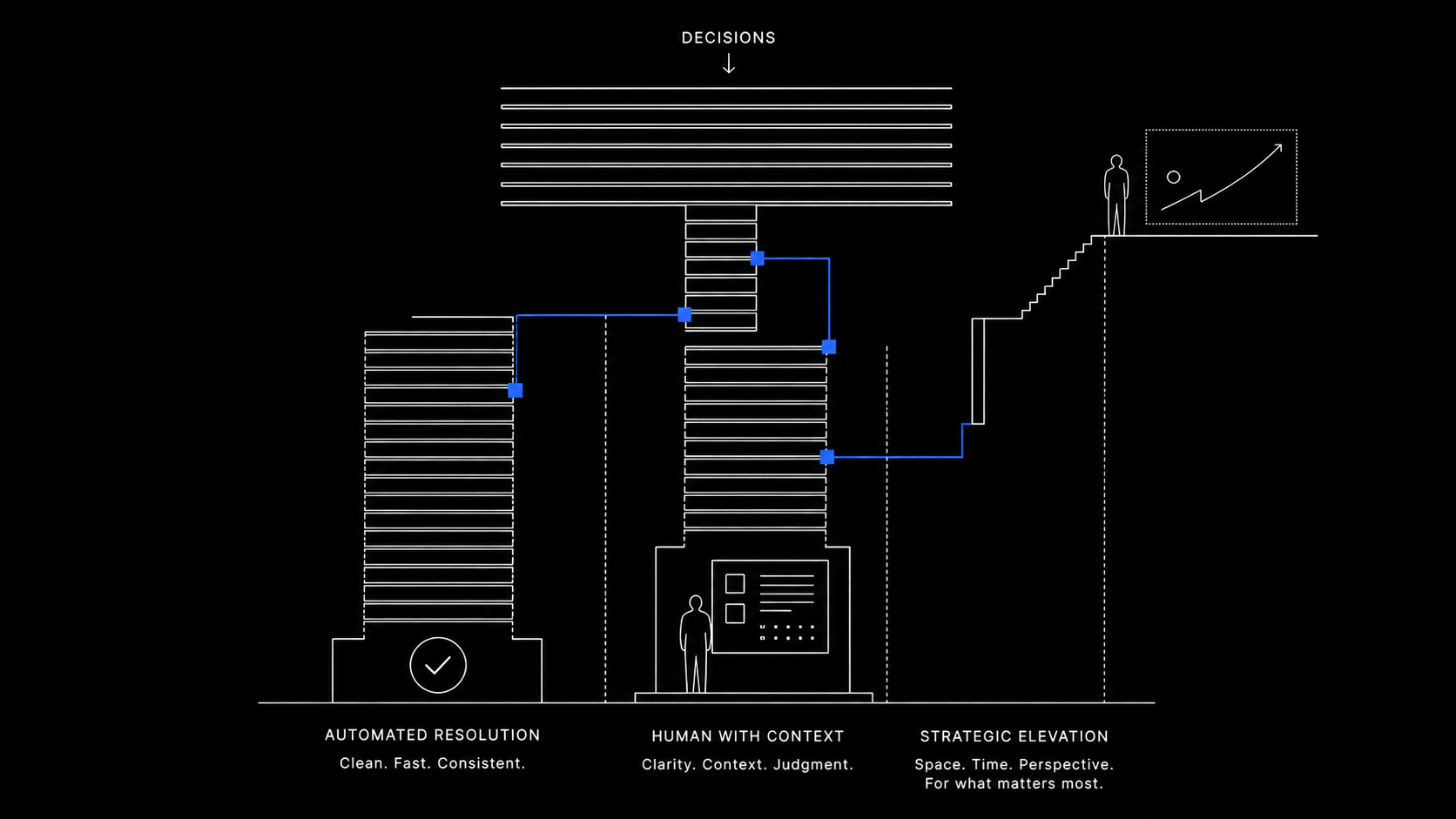
Most businesses have hundreds of routine decisions that consume human attention every day despite being entirely precedented. Decision intelligence is the architecture that handles these automatically, routes edge cases accurately, and reserves human judgment for decisions that actually need it.
Agents don't answer questions. They finish work.
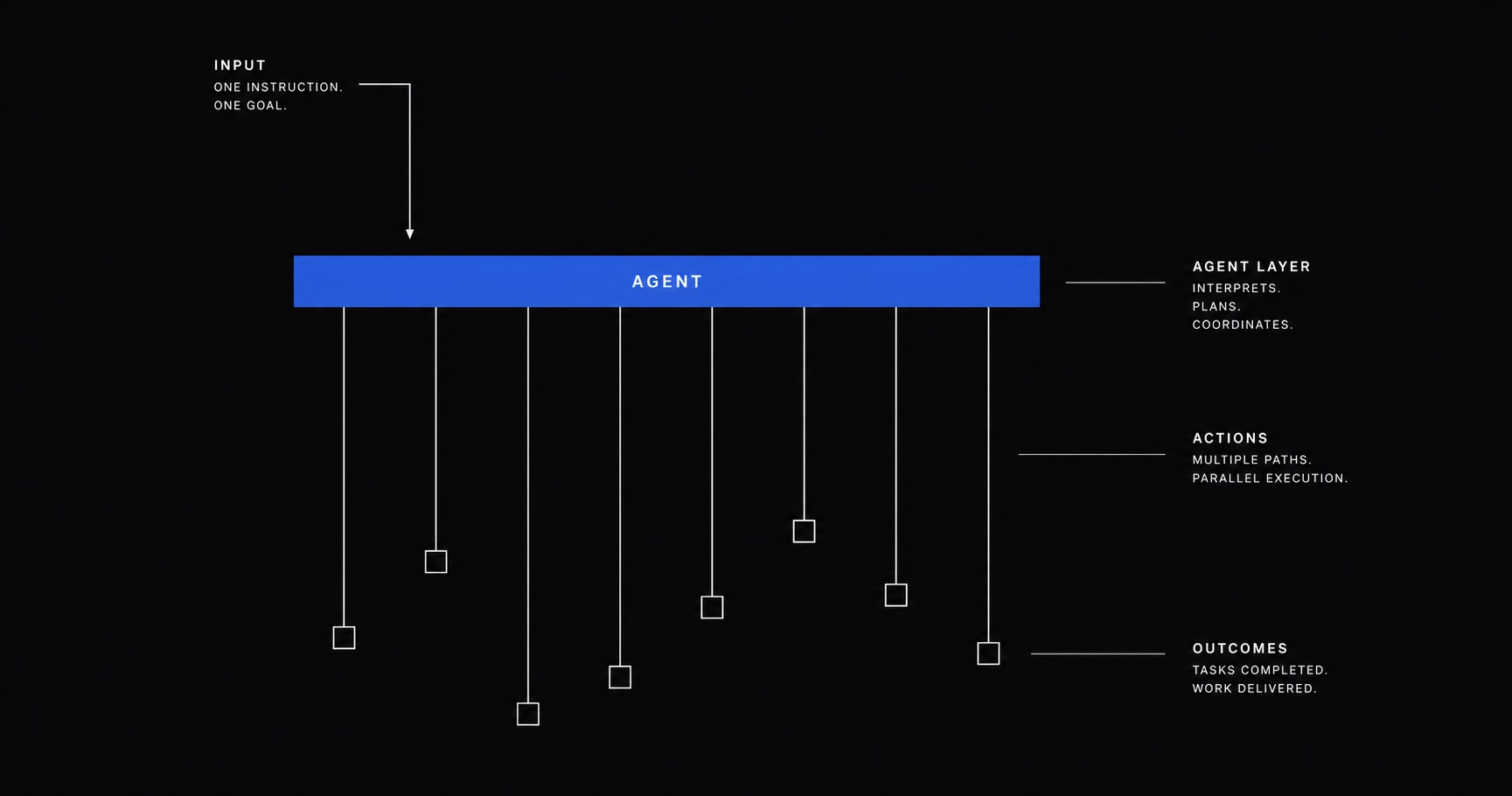
An AI agent isn't a smarter search box. It's a system that receives a goal, breaks it into tasks, executes them across tools and systems, handles failures, and reports back with an outcome, not an answer.
Documentation is automation. You just don't know it yet.
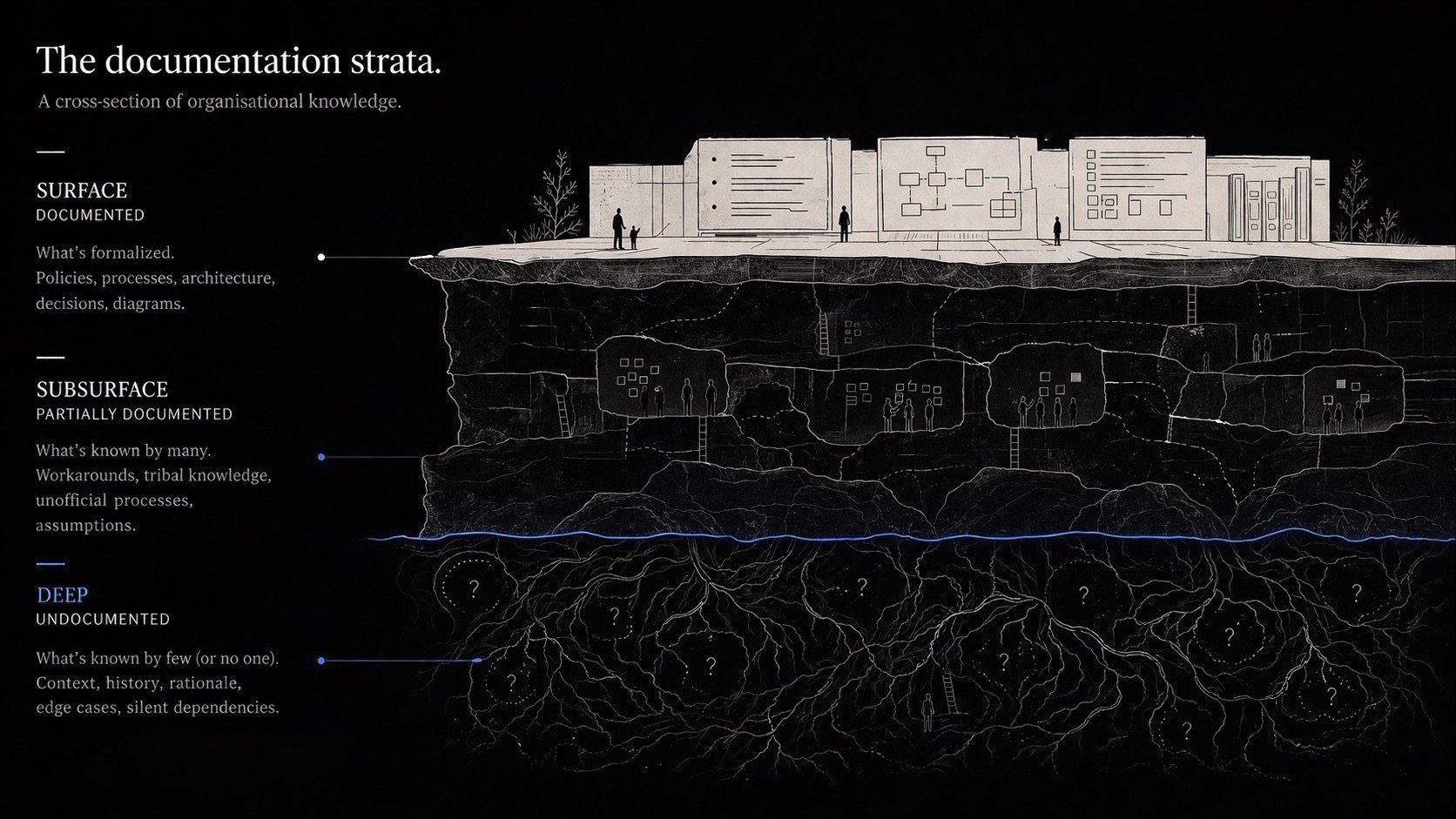
Every automation system needs a source of truth to operate from. If your processes live in people's heads, AI has nothing to work with. Documentation isn't bureaucracy, it's the prerequisite for every intelligent system you'll ever build.
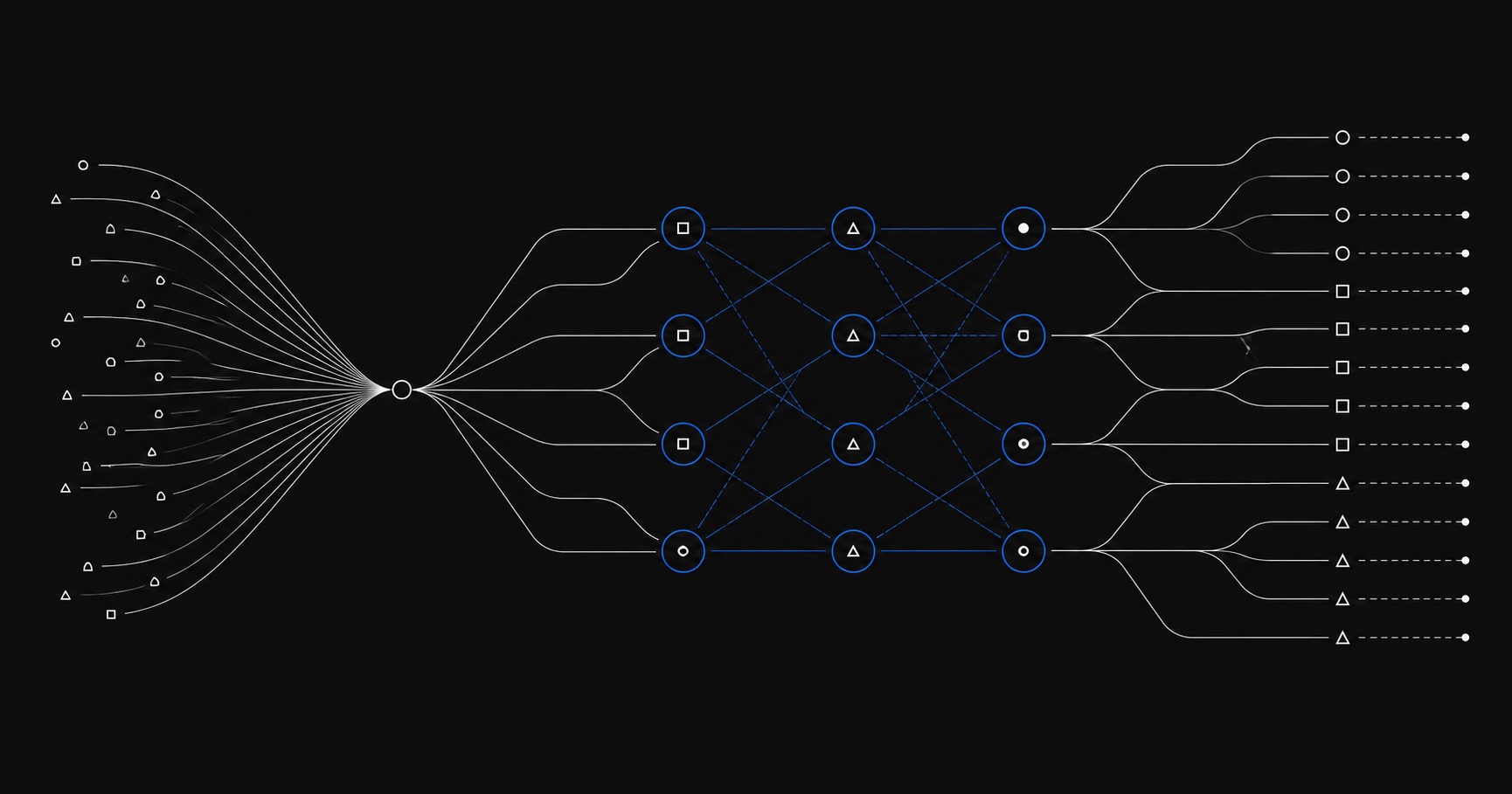
What a business looks like when the intelligence layer is built
Most founders imagine AI as a tool they use. The intelligence layer is different, it's a system that works while you don't. This post is a concrete walk through what Tuesday morning looks like when coordination, follow-up, decision-routing, and status-tracking are handled by systems instead of people.
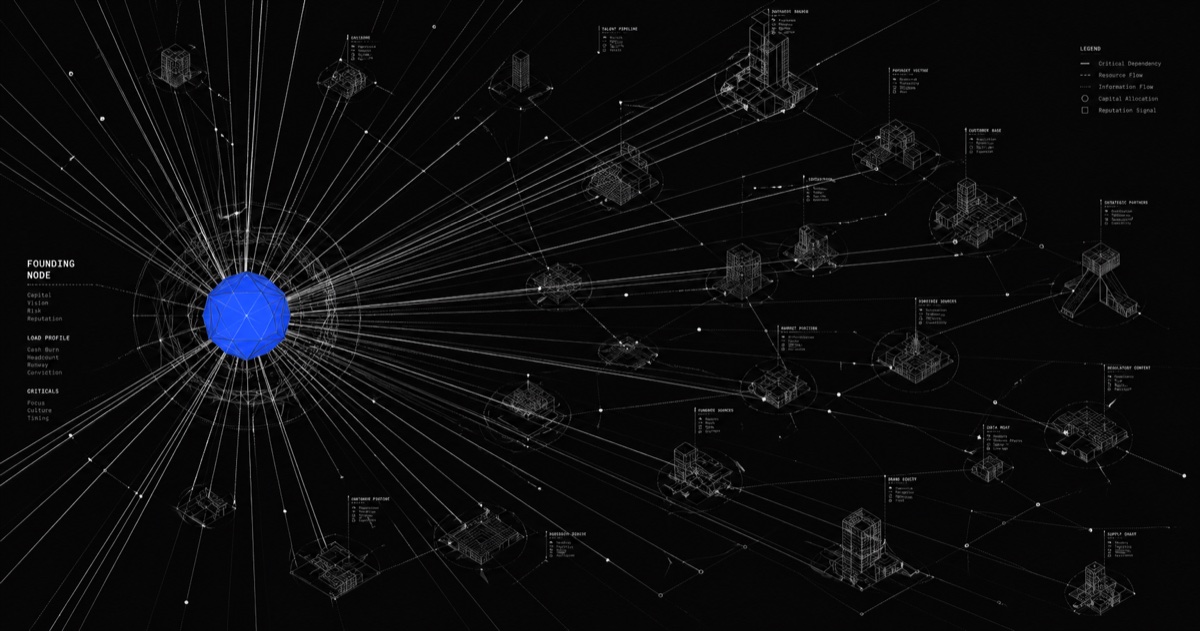
Your business runs on a coordination tax. Most founders pay it forever.
Every business has a coordination tax, the invisible overhead of chasing status, routing decisions, and keeping people aligned. Most founders absorb it personally. This post names the tax, shows where it hides, and introduces the architecture that makes it optional.
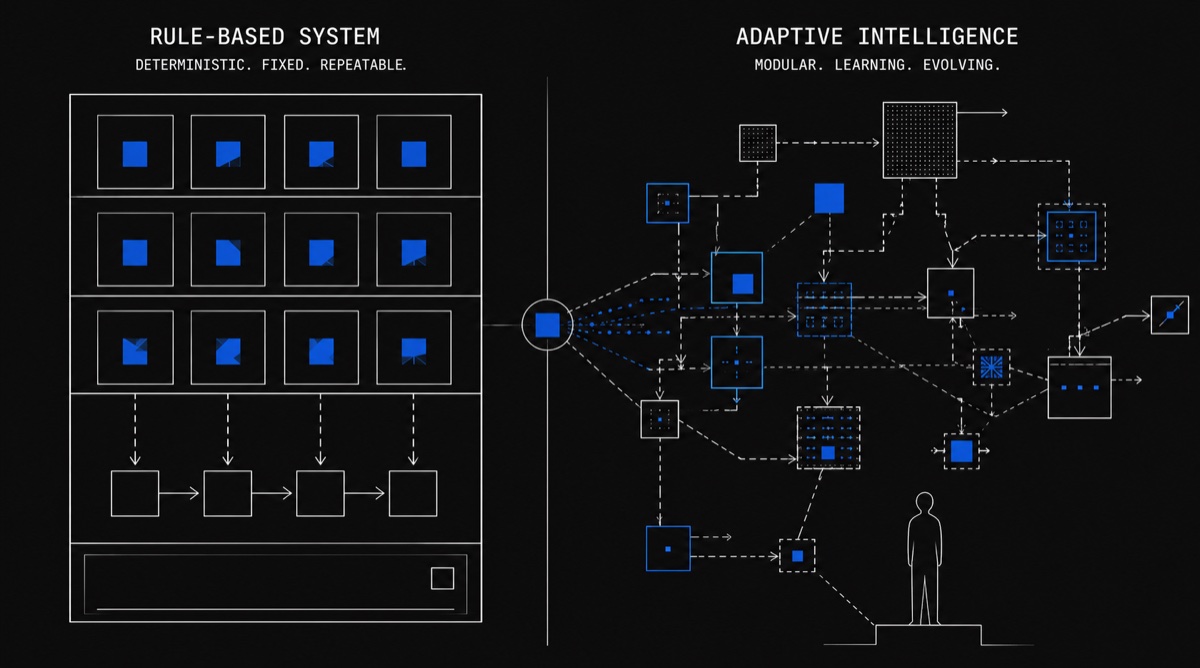
AI is not software. Here's what it actually is, and why that changes everything.
Most founders come into their first AI conversation with the wrong mental model. Here's the one distinction that will save you from the most common and expensive mistake in AI.